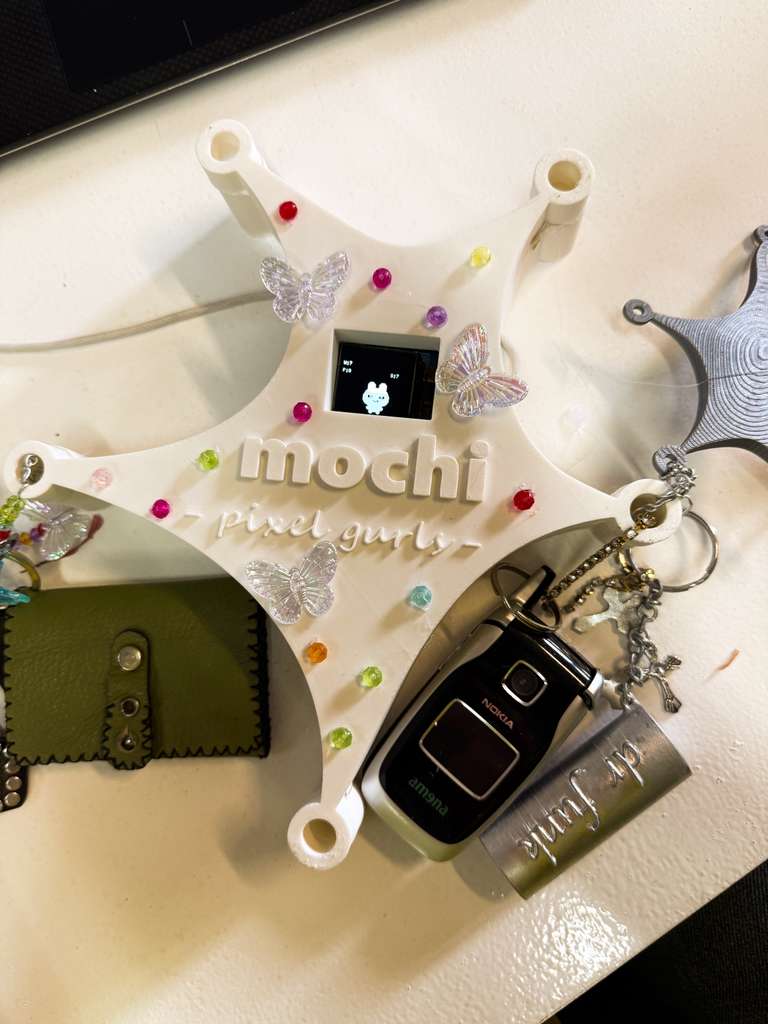
Mochi is a self-contained cyberdeck companion — no cloud, no app store, no extraction. You feed it data through physical buttons: sleep, water, food. It responds with its body. Tend to it and it grows. Neglect it and it shrinks. Abandon it and it dies. It is not a wellness tracker. It is not a fitness app. It is a mirror with a body — a physical object that makes the invisible exchange between you and your data visible, chosen, and consequential.
Overview

MOCHI — handheld cyberdeck companion · ESP32 · 2025
The Question It Asks
We already log ourselves constantly. Our phones know more about our sleep, hunger, and movement than most people in our lives do. But that data flows silently outward — extracted, profiled, sold — without us ever feeling it leave. Mochi inverts that. The data stays inside the device. The only thing that changes is Mochi itself. When you stop showing up, it shows. When you die to it, it dies. That consequence is the design.

The Screen
Seven states. One pixel-art body. The entire feedback loop, visible.

Loading Screen

Introduction
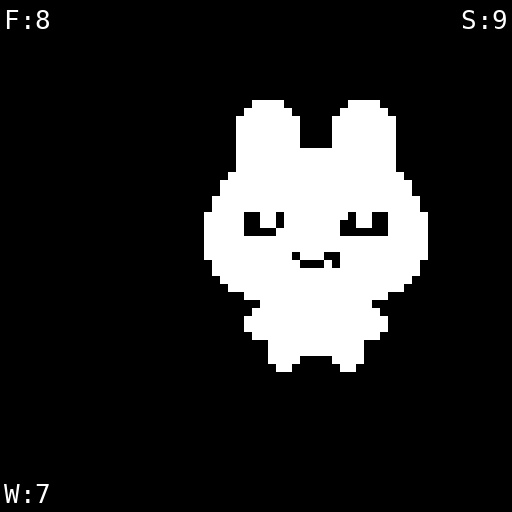
Mochi Taken Care Of
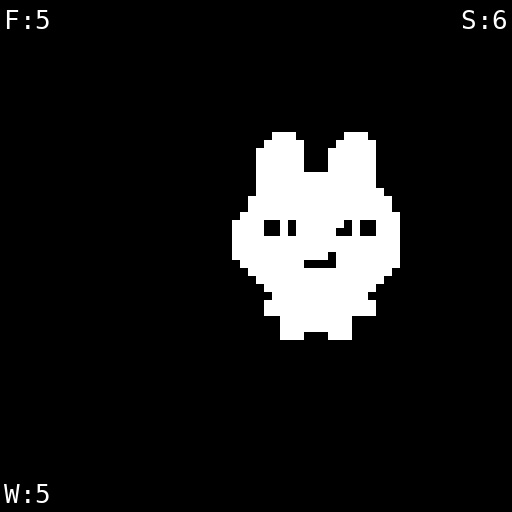
Mochi Needing Attention
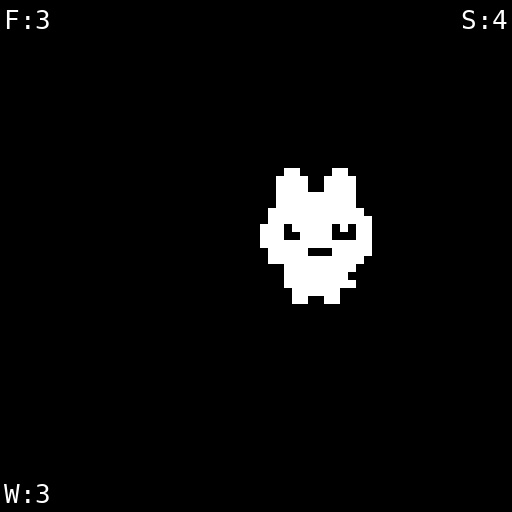
Mochi Neglected
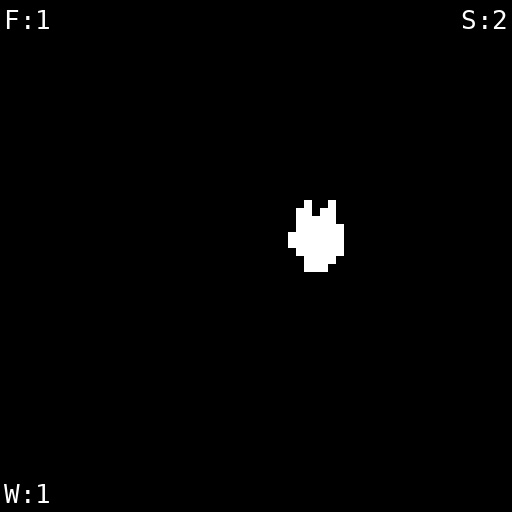
Mochi Fatal
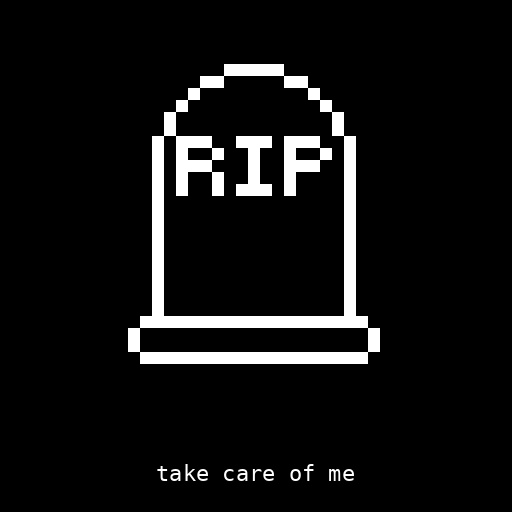
Take Care of Mochi
Process
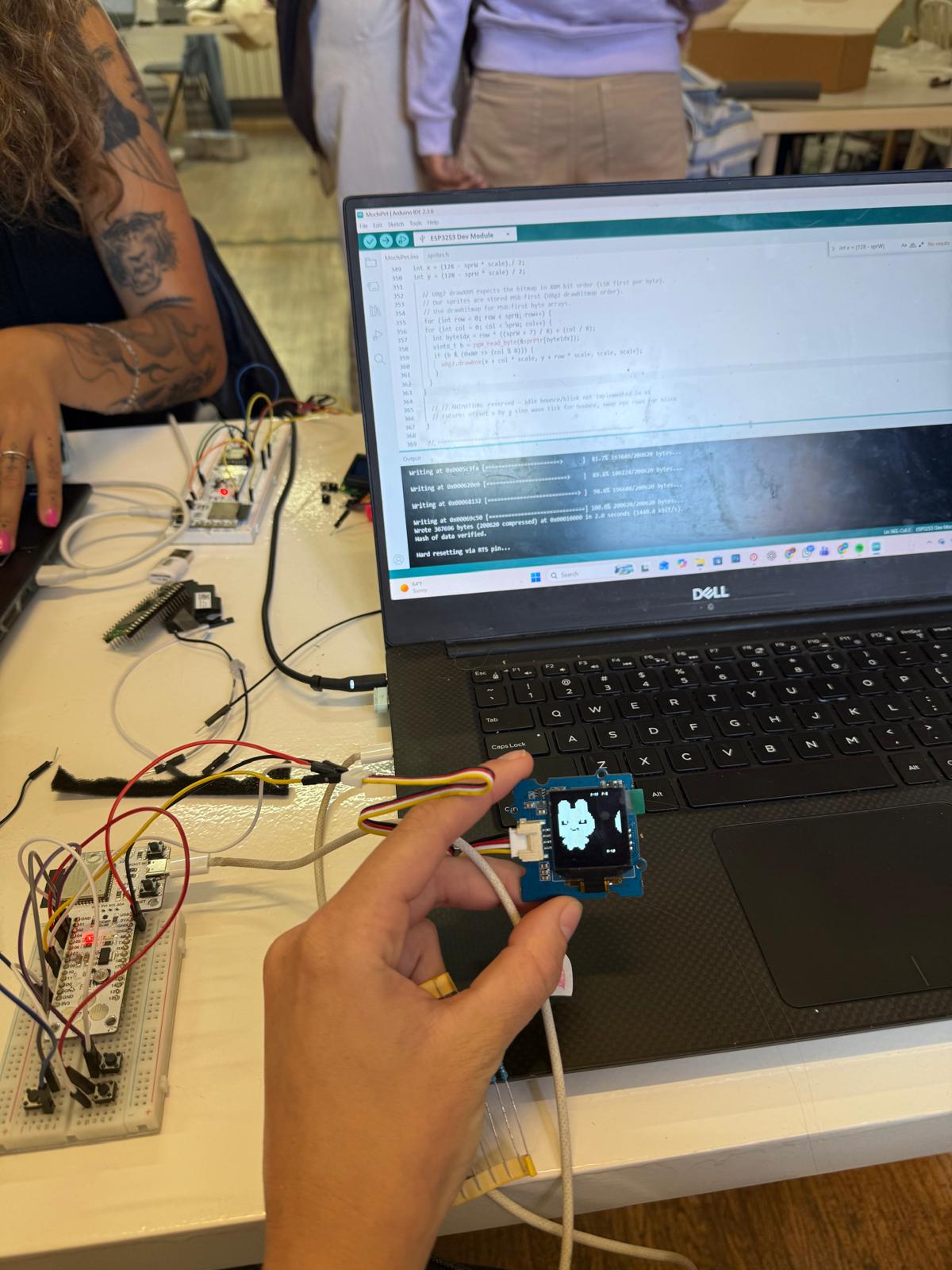
Built entirely through iterative vibe coding — no prior hardware experience, no existing template, no blueprint to follow. Starting from a concept and a components list, I programmed the full firmware from scratch: the sensor logic, the button inputs, the mood states, the shrink and grow animations, and the death mechanic. Every behaviour Mochi has was written, tested, broken, and rewritten. The stack was assembled deliberately. ESP32 as the brain — cheap, powerful, offline by design. Physical buttons as the only interface — no touchscreen, no scroll, no infinite feed. Just three inputs: sleep, water, food. The companion Expo app exists as an optional mirror, not a requirement. Mochi works without your phone. That was a non-negotiable design decision. The entire codebase is open source on GitHub — the schematic, the firmware, the death logic, all of it. Making it open wasn't an afterthought. It is part of the argument.
Outcome
Mochi is the first act of a trilogy about what happens to your data self. Here, you choose to tend it. In Data Body, it gets extracted and traded. In Safe Hands, it outlives you. Together they trace the full arc of personal data — from body, to commodity, to ghost. Mochi asks the earliest question: what if the act of logging yourself was a practice of care, not a product to be sold?
The Data Trilogy
Three projects. One arc. Personal data — from body, to commodity, to ghost.
/ Body → Commodity → Ghost /